Pet walk
The Most Diverse Primate Genus
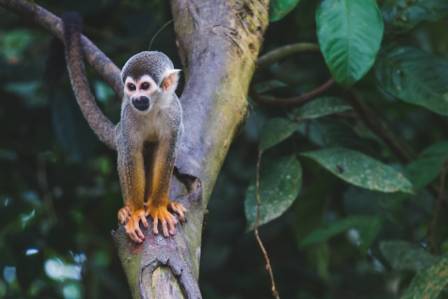
High in the canopy of Central and South American rainforests, a remarkable genus of small primates demonstrates nature's incredible capacity for diversification within a single biological group. Squirrel monkeys, belonging to the genus Saimiri, comprise at least seven distinct species and seven subspecies, each adapted to specific regions and ecological niches throughout the Amazon basin and beyond. These agile, social creatures face varying conservation challenges across their range, offering a fascinating study in primate evolution and the pressing need for habitat protection.
Michelle Jackson
Lane guide
Guide note
The full walk continues under soft neon below.
Route
Tokyo Pet Guide
High in the canopy of Central and South American rainforests, a remarkable genus of small primates demonstrates nature's incredible capacity for diversification within a single biological group. Squirrel monkeys, belonging to the genus Saimiri, comprise at least seven distinct species and seven subspecies, each adapted to specific regions and ecological niches throughout the Amazon basin and beyond. These agile, social creatures face varying conservation challenges across their range, offering a fascinating study in primate evolution and the pressing need for habitat protection.
The Endangered Black Squirrel Monkey
The black squirrel monkey (Saimiri vanzolinii) represents one of the most vulnerable members of its genus, currently classified as endangered. This small primate is endemic to the central Amazon region of Brazil, where it inhabits várzea forests—unique lowland floodplain areas along the Amazon River and its tributaries. These specialized environments experience seasonal flooding that creates wet grasslands and floating vegetation mats, presenting both challenges and opportunities for the species that have adapted to this dynamic ecosystem.
The Fragmented Central American Species
Also bearing an endangered status, the black-crowned Central American squirrel monkey (Saimiri oerstedii) occupies a unique position as the only squirrel monkey species native to Central America. Its range extends along the Pacific coast of Costa Rica and into inland Panama, though its territory remains large but heavily fragmented. The species faces significant pressure from habitat loss and human encroachment, with populations isolated in increasingly separated forest patches throughout its historical range.
The Widespread Bolivian Squirrel Monkey
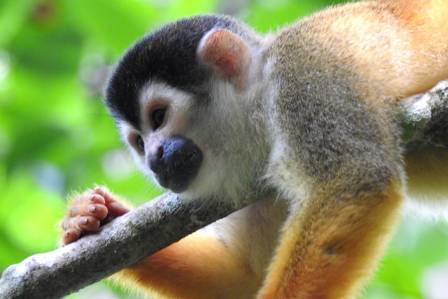
In contrast to its endangered relatives, the Bolivian squirrel monkey (Saimiri boliviensis) maintains a conservation status of least concern. Known by several names including the black-capped squirrel monkey and Peruvian squirrel monkey, this adaptable primate thrives throughout South America's upper Amazon rainforest regions. It successfully inhabits secondary forests and floodplain environments across Bolivia, Peru, and Brazil, demonstrating greater resilience to habitat modification than other squirrel monkey species.
The Eastern Amazonian Specialist
Collins' squirrel monkey (Saimiri collinsi), another species of least concern, demonstrates specialized adaptation to eastern Amazonia south of the Amazon River. These primates occupy transition areas between the Amazon rainforest and the Cerrado biome, a vast tropical savanna ecoregion. They show particular preference for secondary forest habitats situated close to rivers, where they can take advantage of the rich resources found in these boundary ecosystems between forest and grassland.
The Near-Threatened Golden-Backed Species
The golden-backed squirrel monkey (Saimiri ustus) occupies a concerning conservation status of near threatened within its Amazon basin habitat. Also known as the bare-eared squirrel monkey, this species is primarily found in Brazil south of the Amazon River. It prefers seasonally flooded habitats and swamp forests along riverbanks, though it demonstrates some adaptability by also utilizing other forest types within its range. Its declining status highlights the growing pressures on even relatively adaptable primate species.
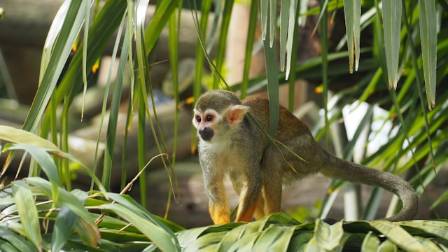
The squirrel monkey genus presents a compelling portrait of evolutionary adaptation and conservation challenge across Central and South American forests. From the endangered specialists with limited ranges to the more adaptable widespread species, these primates illustrate the delicate balance between species survival and habitat preservation. Their varying conservation statuses underscore the importance of targeted protection efforts that acknowledge the different ecological requirements and threats facing each distinct species within this remarkable primate group.
Nearby walks
Lane · en

Top 10 Easy-to-Care-For Saltwater Fish
Starting a saltwater aquarium is an exciting journey, but choosing the right fish can sometimes feel challenging for new hobbyists. Before bringing home any marine fish, it is important to consider factors such as their temperament, feeding preferences, tank size requirements, and ideal water conditions.
Lane · en

Top 10 Best Looking Coupes
Coupes are the epitome of automotive style—blending sleek silhouettes, bold proportions, and eye-catching details that turn heads on every road. From compact gems to luxury powerhouses, these 10 coupes stand out for their exceptional design aesthetics, balancing form and function with timeless or cutting-edge visual appeal. Below, we’ve curated the most stunning coupes that marry beauty with performance, proving that a car can be as easy on the eyes as it is thrilling to drive.
Lane · en

8 Incredible Benefits of Running You Can’t Ignore
Running is more than just pounding the pavement—it’s a lifestyle that benefits your body, mind, and spirit. Whether you’re tackling marathons or enjoying a quiet jog around your neighborhood, the advantages of running are backed by science and accessible to anyone willing to lace up their shoes.
Lane · en
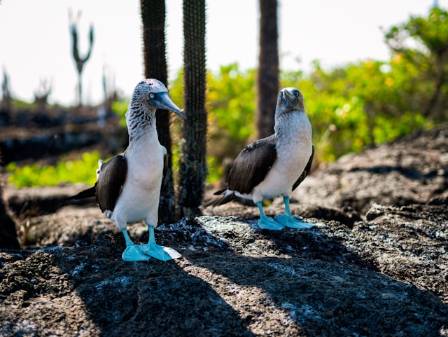
Why do boobies have blue feet?
The bright blue feet of the Blue-footed Booby (Sula nebouxii) are the feature that makes this bird instantly recognizable and gives it its famous name. Like many biological traits, the reason behind this unusual characteristic can be understood from different perspectives.
Lane · en

Easy Ways to Paint Watercolor Tulips
I’m really happy to share a brand-new video with you where I explore seven creative and approachable ways to paint watercolor tulips. Whether you’re just starting out or want to refresh your floral painting style, these simple tulip techniques will fill your sketchbook with bright, spring-inspired energy.
Lane · en

Best Time to Visit Eiffel Tower
Parisians may argue that the Eiffel Tower is nothing more than a touristy cliché, devoid of the city’s genuine romantic essence. But let’s be honest—nothing will stop you from wanting to see this iconic landmark, right? No matter what people say, this towering iron structure remains an unmissable sight. There are countless ways to experience it: you can admire its beauty from some of Paris’s top vantage points or take a heart-pounding ride up to the summit for an up-close encounter. But when is the best time to visit to avoid those dreaded lines? Keep reading to find out.