
Pet walk
A Guide to Core Anime & Manga Drawing Techniques
Learning to draw in the anime and manga style involves mastering a set of distinctive conventions for portraying characters, expressions, and actions. These conventions simplify and stylize reality to create appealing and emotionally resonant artwork. The following guide outlines fundamental techniques across key areas, serving as a foundation for beginners and a reference for practicing artists.
Lucas
Lane guide
Guide note
The full walk continues under soft neon below.
Route
Tokyo Pet Guide
Drawing the Anime Face and Head
-
The head is often drawn as an oval or circle, with a guideline down the center for symmetry.
-
The eyes are typically placed on the horizontal midline of the head.
-
The distance between the eyes is usually about the width of one eye.
-
The bottom of the nose is roughly halfway between the eyes and the chin, with the mouth situated slightly above the halfway point between the nose and chin.
-
Eyes: Large, expressive eyes are a hallmark. They are constructed with a curved upper eyelid, a sharp or rounded lower lid, a large iris/pupil, and bright catchlight reflections.
-
Nose and Mouth: Often simplified to minimal lines or shapes. The nose might be a simple "L" shape or two dots from the front, and a single curved line from the side. The mouth is usually a short, soft line.
-
Ears: Positioned between the eyebrow and nose lines. Their complexity can vary from a simple "C" shape to more detailed inner folds.
Drawing Anime Hair
-
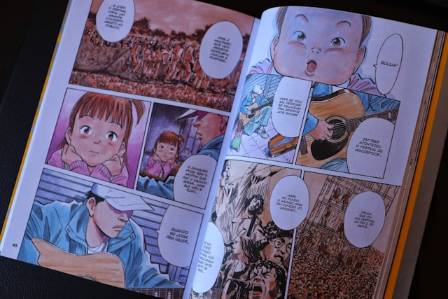
Start by defining the hairline and the basic shape of the hairstyle (e.g., a mass for short hair, flowing sections for long hair).
-
Draw the hair in large, clumped sections or "spikes" that follow the head's curvature.
-
Hair has volume; it should not lie flat against the scalp. Leave space between the scalp guideline and the start of the hair.
-
For long hair, use flowing, rhythmic lines to suggest movement and weight.
Drawing Anime Eyes and Expressions
-
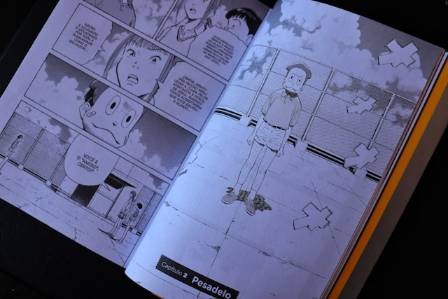
Happy/Eyes: Larger, brighter irises, pronounced highlights, and upward-curving lower eyelids.
-
Angry Eyes: Sharply slanted eyebrows inward, narrowed eyelids, and smaller pupils. The top eyelid may press down on the iris.
-
Sad Eyes: The eyebrows tilt inward and upward at the inner corners. The eyelids may droop, and highlights can be less bright.
-
Surprised/Shocked Eyes: Widely opened, with the iris not touching the eyelids. Eyebrows are raised high.
-
Determined/"Cold" Eyes: Sharp, focused gaze, often with strong shadows or narrowed eyelids. Highlights may be minimal or stark.
Drawing the Anime Body and Poses
-
A common baseline is a head-to-body ratio of 1:6 or 1:7 for older teen/adult characters.
-
The shoulders are typically about 2 heads wide for males and 1.5 heads wide for females.
-
The elbows align with the waist, and the wrists align with the crotch when arms are at the sides.
-
Start with a simple stick figure or line of action to capture the pose's flow and balance.
-
Build up the figure using basic 3D shapes (ovals, cylinders) for the chest, pelvis, and limbs.
-
Pay attention to weight distribution and how joints bend. Avoid stiff, symmetrical poses in favor of dynamic, natural stances.
Drawing Anime Clothing and Details
-
Folds and Wrinkles: Draw where fabric is pulled (like at joints), pinched (where it's gathered), or hanging loose. Common folds include pipe folds, zigzag folds, and spiral folds around limbs.
-
Consistency: Ensure clothing details (like seams, patterns, and accessories) are consistent with the character's design and the scene's perspective.
-
Simple Start: Begin by drawing the basic shape of the clothing item over the body, then add details and folds.
Essential Tips for Beginners
-
Use References: Constantly study real people, anatomy, and fabrics, then translate them into the anime style.
-
Practice Fundamentals: Dedicate time to drawing basic shapes, forms, and perspective. Strong fundamentals make stylization easier.
-
Break It Down: Always deconstruct complex drawings into simple shapes and guidelines first.
-
Be Patient: Style develops over time through consistent practice and study.
Nearby walks
Lane · en
Rare Discovery in Bavaria: The Snow-White Fox and the Science of Leucism
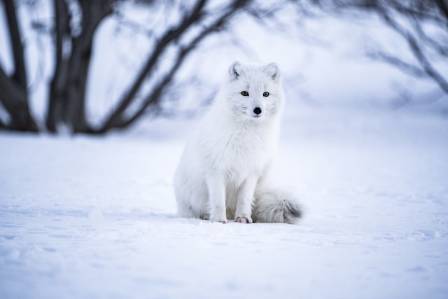
A recent rare sighting in Bavaria stirred excitement among nature lovers and experts alike: near Munich, a nature photographer encountered a completely white fox at dusk—a striking anomaly that sparked curiosity about its unusual appearance. This article delves into the story behind the discovery, the biological phenomenon that causes white fur in red foxes, and why similar traits appear in other animals.
Lane · en
The Incredible Evolution and True History of the Noble Horse
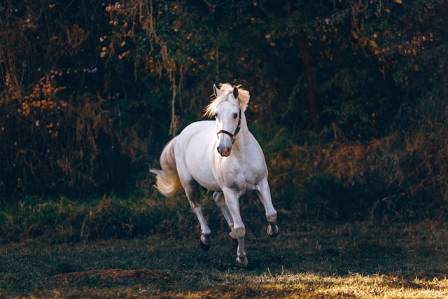
We must travel back to the absolute dawn of animal history to understand the origin of the horse. Imagine a miniature creature that lived roughly fifty to sixty million years ago. This tiny animal thrived during the ancient Eocene epoch. It was only about the size of a modern fox. Scientists officially call this ancient ancestral creature Hyracotherium. The animal looked very different from the magnificent horses we see today. However it still bore a faint resemblance to its modern descendants. Hyracotherium possessed four distinct toes on its front feet. It also had three toes on its rear feet. This skeletal structure is incredibly fascinating to modern biologists. The tropical tapir is a living relative of the horse family. It still retains this exact same arrangement of toes on its feet today.
Lane · en
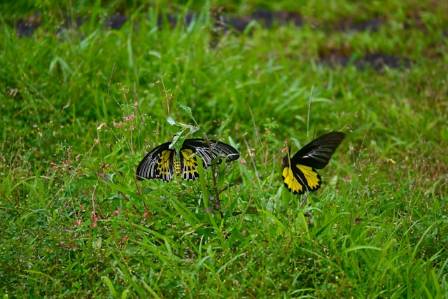
Top 9 Most Stunning Butterflies Around the Globe
From the delicate shimmer of transparent wings to dazzling bursts of iridescent color, butterflies enchant us with their ephemeral beauty. Among the estimated 17,500 species fluttering across continents, a few stand out with extraordinary patterns and brilliant hues. This curated collection reveals nine of the most visually captivating butterflies on Earth.
Lane · en
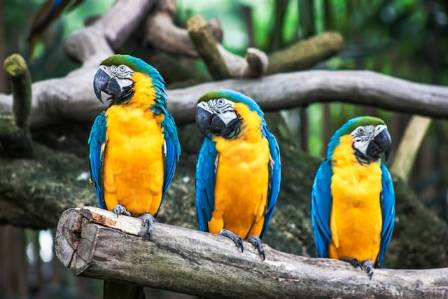
Top Most Colorful Birds in the World: Nature’s Living Rainbows
Birds are nature’s flying masterpieces, adorned with vibrant hues that captivate the eye and stir the imagination. Some species boast such vivid, almost otherworldly colors that they feel like creations of fantasy rather than reality. These feathered beauties are admired globally for their aesthetic appeal, studied for their unique biological traits, and cherished by birdwatchers as prized sightings. In this article, we explore 10 of the world’s most colorful birds, delving into their habitats, behaviors, cultural significance, and conservation status—each a testament to nature’s boundless creativity.
Lane · en
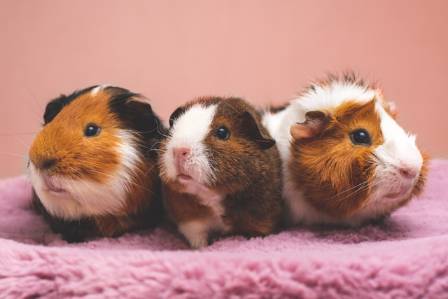
7 Things You Must Know Before Keeping a Hamster
Hamsters are well-loved as compact, charming pets. If you're considering bringing one into your home for yourself or a child, it's important to understand how to select the right one, what essential items to acquire, and how to properly feed and look after your new companion.
Lane · en

DIY Metal Artistry: A Comprehensive Introduction for New Crafters
Engaging in metal artistry allows you to elevate your creative skills and craftsmanship to an impressive new level. This field of art involves a diverse range of methods that can be applied in numerous ways, giving you the freedom to build original designs from scratch or modify existing metal objects. From delicate jewelry and intricate sculptures to custom furniture and ornate door hardware, the potential for creation is boundless. This guide is designed to help those with no prior experience begin their journey into the world of metalworking right from their own home.