Pet walk
Beautiful Winter Landscapes in Japan
Winter in Japan offers completely different experiences depending on the destination you choose. From snowy mountain villages and frozen lakes to warm southern islands, travelers can find the kind of winter atmosphere they enjoy most. Those who prefer to avoid the cold can head to Okinawa for mild, T-shirt-friendly weather, while visitors who embrace snow will discover breathtaking scenery throughout northern Japan and the mainland.
Blake Anderson
Lane guide
Guide note
The full walk continues under soft neon below.
Route
Tokyo Pet Guide
Winter in Japan offers completely different experiences depending on the destination you choose. From snowy mountain villages and frozen lakes to warm southern islands, travelers can find the kind of winter atmosphere they enjoy most. Those who prefer to avoid the cold can head to Okinawa for mild, T-shirt-friendly weather, while visitors who embrace snow will discover breathtaking scenery throughout northern Japan and the mainland.
For those willing to bundle up and explore the colder regions, Japan reveals some of its most magical seasonal views. Here are nine remarkable winter landscapes that include both famous attractions and lesser-known destinations worth visiting.
1. Shirakawa-go in Gifu
Shirakawa-go is one of Japan’s most iconic travel destinations and a must-see for many visitors. Together with Gokayama in Toyama Prefecture, it is recognized as a UNESCO World Heritage Site and attracts travelers throughout the year.
During the winter season, the village becomes especially enchanting. Heavy snowfall covers the traditional wooden gassho-style houses, creating a stunning contrast between the dark wooden architecture and the bright white snow surrounding them. The peaceful scenery feels like stepping into a traditional Japanese winter painting.
2. Kifune Shrine in Kyoto
Hidden in the mountains north of Kyoto, Kifune Shrine is a beautiful and atmospheric destination throughout the year. In winter, the pathway leading to the shrine becomes even more impressive as snow blankets the stone steps and the rows of lanterns.
While central Kyoto usually receives only limited snowfall, the mountainous Kifune area experiences much heavier snow during winter. Visitors should prepare for cold conditions and check transportation updates and weather forecasts before making the journey.
3. Akita’s Kamakura Snow Domes
For travelers who enjoy winter traditions, Akita Prefecture in the Tohoku region is an excellent choice. Many of the area’s customs and cultural celebrations are closely connected with the snowy season.
One of Akita’s most famous winter attractions is the kamakura snow dome. These small snow shelters appear during local festivals across the prefecture, with some of the largest celebrations taking place in Yokote, Rokugo, and Narayama. The experience offers a unique glimpse into traditional Japanese winter culture.
4. Lake Tazawa in Akita
Lake Tazawa is another unforgettable winter destination in Akita. As Japan’s deepest lake, it offers beautiful scenery from every angle, but one of its most photographed locations is Gozanoishi Shrine.
The shrine’s bright red torii gate stands along the lakeshore, creating a dramatic scene when surrounded by frozen water and winter landscapes. The combination of the vivid gate, icy lake, and snowy surroundings creates a view that feels almost unreal.
5. Ginzan Onsen in Yamagata
Like Shirakawa-go, Ginzan Onsen looks like a scene from a winter postcard. This charming hot spring town is famous for its traditional ryokan inns lining the main street and its nostalgic atmosphere.
Because the town is located deep in the mountains of Yamagata Prefecture, staying overnight is highly recommended rather than visiting only for a short day trip. The streets are reserved for pedestrians, allowing visitors to walk peacefully through the snowy scenery while enjoying hot springs and the historic surroundings.
6. Mount Fuji
Japan’s most famous mountain becomes even more spectacular in winter, when its peak is covered with a layer of snow. This classic snow-capped image is the view that many people associate with Mount Fuji.
The relatively mild winter climate around the Kanto region also increases the chances of seeing Fuji from Tokyo. However, for a more memorable experience, a trip to Lake Kawaguchi is highly recommended. As one of the Fuji Five Lakes, it remains lively during winter and offers excellent views of the mountain.
Visitors can also plan their trip around the winter fireworks events held every weekend from early January through early February, adding another special highlight to the experience.
7. Tottori Sand Dunes
Tottori Prefecture may not be the first place people think of when searching for snowy landscapes, but its famous sand dunes can become surprisingly beautiful in winter.
Occasionally, a thin layer of snow covers the tops of the dunes, creating a rare combination of desert-like scenery and winter conditions. Visitors can walk across the dunes, enjoy the unusual landscape, and explore the nearby museum afterward.
8. Art Biotop in Tochigi
Moving away from natural landscapes, Art Biotop in Tochigi offers a unique winter view created through a combination of architecture and nature.
Designed by architect Junya Ishigami, this water garden was carefully created using 318 relocated trees from nearby areas while maintaining the balance of a natural ecosystem. During winter, the snow-covered ground and still ponds create a striking scene, with the water surfaces reflecting the bare trees above like mirrors.
The garden is located near Nasu, approximately an hour’s drive north of Nikko.
9. Hoshino Resort Tomamu in Hokkaido
Hokkaido is one of Japan’s best winter destinations, offering famous snow festivals, excellent ski resorts, and some of the country’s finest seafood. Among its many attractions, Hoshino Resort Tomamu stands out as a particularly magical winter escape.
Located in Tomamu near the southern edge of Daisetsuzan National Park, the resort provides everything needed for a memorable snowy holiday. One of its highlights is Unkai Terrace, an observation area featuring several viewpoints overlooking the surrounding valley.
During summer, visitors come here hoping to witness unkai, or the “sea of clouds,” which appears only under perfect weather conditions. However, the terrace is also open during winter, when the landscape transforms into a snowy wonderland. Sitting more than 1,000 meters above sea level, the viewpoint offers spectacular views of frost-covered trees sparkling in the sunlight between December and March.
Nearby walks
Lane · en

5 Compelling Reasons Why a Watch is an Essential Accessory
Elevating your style and making a statement has never been easier—enter the realm of watches. More than a mere timekeeping tool, watches are practical, stylish accessories that transcend fashion, symbolizing status and offering a touch of sophistication. Here are the top 5 reasons why incorporating a watch into your wardrobe is a game-changer:
Lane · en

The human figure in surrealism and abstract art
The depiction of the human body has long been a cornerstone of artistic expression, evolving from the idealized proportions of classical sculpture to the symbolic and fragmented forms embraced by modern art. In the early 20th century, movements like surrealism and abstract art redefined how artists could portray the human figure, pushing the boundaries of representation and meaning. This article examines how these two influential movements transformed the human form, using it to explore psychological, emotional, and philosophical dimensions.
Lane · en

Sanibel Island Shelling – The World’s Best Shelling
Travel & Leisure ranked Sanibel Island as the number one destination among the top 10 shelling beaches in the United States. Shell enthusiasts from around the globe travel to this small island on Florida’s Gulf Coast, which is widely regarded as one of the finest places in North America for finding seashells.
Lane · en

The Art and Science of Surfing: A Surfer’s Journey
Surfing is far more than a pastime—it is a philosophy deeply tied to coastal life. Riding waves symbolizes not just recreation, but a lifestyle shaped by nature, skill, and community. It is both a personal journey and a collective culture, blending technical knowledge, ocean science, and spiritual meaning. From beginners wobbling on their first board to seasoned athletes mastering advanced maneuvers, every surfer’s path evolves with the rhythms of tides, climate, and ambition. Each wave tells its own story, and every surfer contributes to a wider narrative of balance between humanity and the sea.
Lane · en

Soft Natural Wardrobe Guide 2026: 9 Essential Pieces to Build Your Perfect Closet
Discovering that you fit the Soft Natural style type is only the beginning. Building a wardrobe that matches your body lines, personal style, and individual essence can sometimes feel confusing. With so many details to consider, such as silhouettes, fabrics, colors, and overall balance, knowing where to start is often the hardest part.
Lane · en
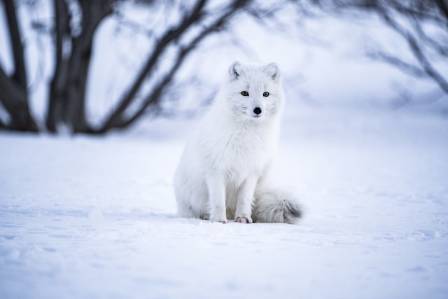
Rare Discovery in Bavaria: The Snow-White Fox and the Science of Leucism
A recent rare sighting in Bavaria stirred excitement among nature lovers and experts alike: near Munich, a nature photographer encountered a completely white fox at dusk—a striking anomaly that sparked curiosity about its unusual appearance. This article delves into the story behind the discovery, the biological phenomenon that causes white fur in red foxes, and why similar traits appear in other animals.