Pet walk
What Is Matcha?
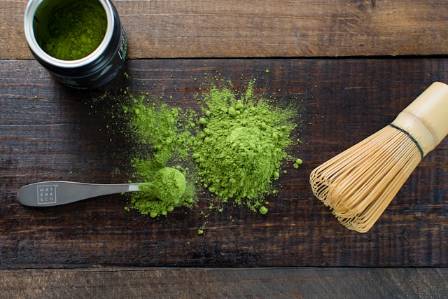
Matcha is a premium type of green tea that is carefully ground into a fine powder. Unlike traditional tea leaves that are soaked in hot water and removed afterward, matcha powder is directly whisked into hot water, creating a smooth and frothy beverage.
Caroline Ross
Lane guide
Guide note
The full walk continues under soft neon below.
Route
Tokyo Pet Guide
Matcha is a premium type of green tea that is carefully ground into a fine powder. Unlike traditional tea leaves that are soaked in hot water and removed afterward, matcha powder is directly whisked into hot water, creating a smooth and frothy beverage.
The process of preparing, serving, and drinking matcha slowly and mindfully is at the heart of the Japanese tea ceremony. Although matcha was originally connected to traditional rituals, it has become a worldwide favorite and is now used in many modern drinks and foods, including matcha lattes, bubble tea, ice cream, baked goods, and even savory recipes like salad dressings.
The History and Origins of Matcha
Long before modern teapots and tea bags existed, early Chinese tea traditions involved grinding tea leaves into powder and mixing them with hot water by whisking or beating the mixture in a bowl.
Over time, China moved toward brewing tea by steeping whole leaves, but Japan continued developing the powdered tea method and eventually transformed it into a deeply meaningful cultural practice.
In the early 12th century, a Japanese Zen monk named Eisai returned from studying at Buddhist monasteries in China. He brought back tea seeds and knowledge of preparing powdered “beaten tea.” Using his experience, he introduced the practice known as “the way of tea” to Japanese Buddhist monks as a form of meditation.
Eventually, this tea tradition spread throughout Japan and became an important part of Japanese culture.
Matcha and the Samurai Tradition
The Japanese samurai class became deeply connected with ceremonial tea drinking. Although known as powerful warriors, samurai were also highly educated and influenced by Zen Buddhist values such as discipline, mindfulness, ritual, and self-control.
The samurai helped transform the tea ceremony into a refined art form by developing detailed customs and procedures. These included precise hand movements, carefully designed tea rooms, proper sitting positions, and specific methods for preparing and drinking tea.
The tea ceremony was also believed to support samurai training by improving concentration, patience, and mental focus—qualities that were essential for warriors preparing for battle.
The Japanese Tea Ceremony Today
Still known as “The Way of Tea,” the Japanese tea ceremony remains a respected cultural practice centered around the careful preparation and presentation of matcha.
Originally created as a spiritual activity, the ceremony continues to emphasize four important principles: harmony, respect, purity, and tranquility.
Every movement involved in making and serving matcha is performed with intention, creating a peaceful and almost meditative experience.
What Makes Matcha Different From Other Green Teas
Like all authentic teas, matcha comes from the Camellia sinensis plant. However, the way matcha leaves are grown and processed makes it completely different from other types of green tea.
Shade-Grown Tea Leaves
All matcha is produced from tea plants that are grown under shade. This careful process requires farmers to protect the plants from direct sunlight and control the amount of light they receive.
Reducing sunlight exposure increases chlorophyll production, giving matcha its vibrant green color. It also changes the natural levels of caffeine, antioxidants, sugars, flavanols, and theanine within the leaves.
By controlling the growing conditions, tea producers can influence the final flavor, color, and chemical composition of the matcha.
Harvested During a Short Seasonal Window
Only the youngest spring buds and the first few leaves from shade-grown tea plants are selected for matcha production.
Because these delicate leaves are harvested during a limited period each year and are carefully chosen by hand, producing matcha requires significant time and effort. This limited production process is one reason high-quality matcha can be expensive.
Steamed to Preserve Flavor and Color
After harvesting, matcha leaves are quickly steamed to stop oxidation and preserve their bright green appearance.
This steaming process is common among Japanese teas and helps create matcha’s distinctive flavor, which is often described as naturally sweet, fresh, and slightly vegetal.
Ground Slowly with Stone Mills
Unlike traditional green tea leaves, which are rolled and shaped before drying, matcha leaves are processed into a special type of dried tea called tencha.
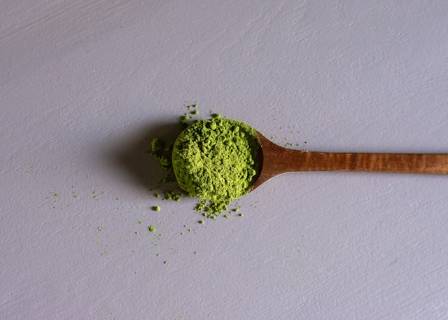
The stems and veins are removed from the tencha leaves, leaving only the finest leaf material. These leaves are then slowly ground using traditional stone mills to create the smooth, delicate powder known as matcha.
Drinking the Whole Leaf Instead of Extracting It
Traditional tea preparation involves steeping tea leaves in hot water to extract their flavors and nutrients, then drinking only the liquid.
Matcha is different because the powdered tea leaves remain suspended in the water and are consumed with every sip. This means you are drinking the entire tea leaf rather than only the extracted compounds.
Different Types of Matcha
Matcha is produced in many regions throughout Japan, and each area has its own growing conditions and production methods. As a result, different matcha varieties can have unique colors, aromas, and flavor profiles.
Matcha is generally divided into two main categories.
Ceremonial Grade Matcha
Ceremonial grade is considered the highest-quality matcha available. It is made from the youngest and most carefully selected tea leaves, with great attention given to every step of cultivation and processing.
This type of matcha has a smoother texture, more delicate flavor, and fresher taste. It is traditionally designed to be enjoyed on its own without sugar, milk, or other additions so the natural characteristics of the tea can be fully appreciated.
Culinary Grade Matcha
Culinary grade matcha has a stronger and more noticeable flavor that works well when combined with other ingredients.
Compared with ceremonial grade, it may contain slightly older leaf material, including small amounts of stems or veins. Its color may also be less vibrant, and it is often blended from matcha produced in different locations.
Although it is commonly used for cooking and baking, culinary matcha can still be enjoyed as a drink. It works especially well in matcha lattes, cocktails, desserts, and other recipes.
Because it is more affordable than ceremonial grade, culinary matcha is a practical choice for everyday use in the kitchen.
Nearby walks
Lane · en

Exploring the Art of Layering: Must-Try Styling Tips for the Season
As the fall season ushers in, it's time to embrace the cozy embrace of our wardrobe staples while indulging in the joy of layering multiple pieces to create stylish ensembles. When executed with finesse, the art of layering allows you to seamlessly transition from dawn to dusk, outdoor adventures to indoor comforts, all while keeping bulkier outerwear at bay. Curating your closet for the upcoming season is essential, and here's a guide to master the intricacies of layering this autumn.
Lane · en
5 Simple Ways to Create Your Own Cozy Corner at Home
In today’s fast-paced world, we all need a peaceful space to unwind and take a break from the constant hustle. Creating a cozy corner at home is one of the easiest ways to carve out a retreat where you can relax and recharge. This cozy nook can be tucked into any available space in your home, whether it's in a quiet corner of your living room, a nook in your bedroom, or even an underused space like a staircase landing. The best part is that you don’t need to completely redesign your space; with a few thoughtful touches, you can turn any area into your own personal sanctuary.
Lane · en
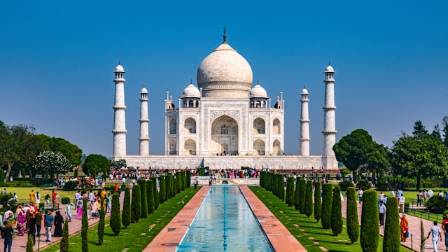
Eight Secrets of the Taj Mahal
For anyone visiting India for the first time, the Taj Mahal is an essential stop. This iconic mausoleum in Agra stands as India’s most celebrated monument and a timeless symbol of love. Commissioned by Mughal Emperor Shah Jahan between 1632 and 1647, it was built in memory of his beloved wife, Mumtaz Mahal, who tragically died during childbirth. Despite its global renown, many aspects of the Taj Mahal’s history remain mysterious. Here are some intriguing insights about this marble masterpiece.
Lane · en

Color Block Painting Guide for Beginners
Color block painting is an art style that focuses on large, bold sections of color. Instead of realistic detail, this style uses simple shapes and emphasizes how colors interact with each other. Popular in both abstract and minimalist art, color block painting is an excellent starting point for beginners. Its simplicity allows artists to focus on understanding color, composition, and brush techniques without worrying about exact realism.
Lane · en
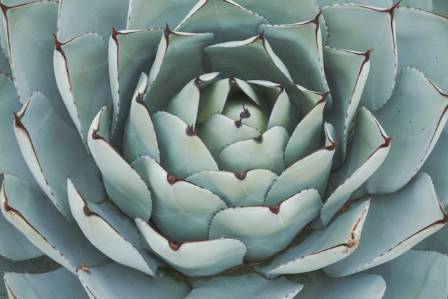
How to Paint Succulents
watercolor painting is one of the most expressive and free-flowing art forms, making it perfect for capturing the soft, natural beauty of plants. among the most popular botanical subjects are succulents—thanks to their sculptural shapes and subtle yet rich color variations, they are excellent for practicing watercolor techniques.
Lane · en

3 Things You Must Know About The Willis Tower In Chicago
Located at 233 South Wacker Drive in Chicago, the Willis Tower was the tallest building in the world until 1996, when it was surpassed by the 1,483-foot (452-meter) Petronas Twin Towers in Kuala Lumpur, Malaysia.