Pet walk
Peach Blossom: The Best Beautiful Flower
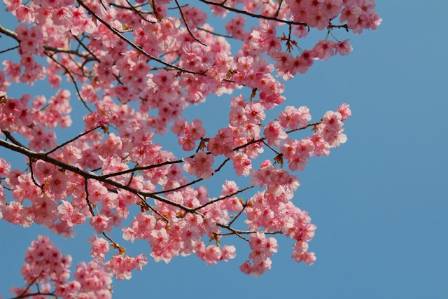
According to some of the earliest historical records, the peach plant (Prunus persica) was probably introduced to Japan from China approximately 6,000 years ago. Over the centuries, peach blossoms, known as momo, have become deeply connected with Japanese culture, seasonal traditions, and symbolism.
Kaia Bellmont
Lane guide
Guide note
The full walk continues under soft neon below.
Route
Tokyo Pet Guide
According to some of the earliest historical records, the peach plant (Prunus persica) was probably introduced to Japan from China approximately 6,000 years ago. Over the centuries, peach blossoms, known as momo, have become deeply connected with Japanese culture, seasonal traditions, and symbolism.
The arrival of warmer spring weather can sometimes make it difficult to distinguish momo from the much more famous cherry blossoms, or sakura. Peach trees can begin flowering as early as February, several weeks before cherry blossoms generally appear in March. When both trees are still covered in unopened buds, they can be particularly easy to confuse.
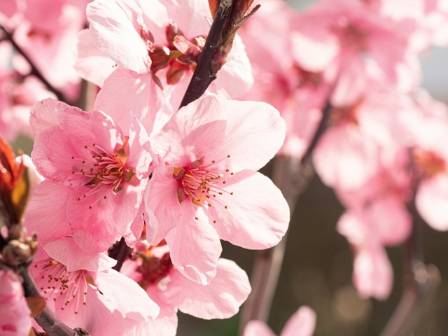
Even after blooming, the soft pink and white flowers of peach trees can look remarkably similar to cherry blossoms, especially in their general color and size. One useful characteristic for identifying momo is the shape of its petals. Peach blossom petals have pointed ends, while cherry blossom petals typically feature a small notch at the tip. Peach flowers also have very short flower stalks. Another distinguishing feature is that two blossoms commonly grow opposite one another along the same branch.
Girl’s Day
Peach blossoms have been celebrated throughout Japanese poetry, music, and traditional artwork for centuries. Because the flowers appear relatively early in the year, they are associated with the transition from winter into spring. After months of cold weather, the appearance of flowers on otherwise bare peach branches represents new beginnings, renewal, and the return of life.
Although peach blossoms remain in bloom for only a limited period, this brief season can also represent the temporary and changing nature of life, while expressing wishes for longevity and happiness. The flowers are especially associated with one of Japan’s best-known seasonal celebrations, the Peach Blossom Festival, or Momo no Sekku, held on March 3.
The celebration is also known by several other names and has a history stretching back more than 500 years. Its origins are connected to a Japanese emperor’s daughter who enjoyed playing with traditional hina dolls, an activity known as hina asobi. During that period, these distinctive dolls were believed to bring good fortune, protect against harmful spirits, and ward off misfortune. When the celebration was established as a holiday during the Edo period, it became known as Hinamatsuri.
Peach trees happened to flower around the same time, and their blossoms gradually became closely associated with the celebration. Today, hina dolls are arranged in elaborate displays to celebrate the health, happiness, and well-being of daughters. This tradition is commonly known as Girl’s Day. Peach blossoms therefore remain an important decorative element during the festival.
Where to See Acres of Peach Blossoms
Much like cherry blossom viewing, enjoying peach blossoms is a popular spring activity in Japan. However, Japan produces roughly seven times as many peaches as cherries each year. This extensive peach production has resulted in large orchards spread throughout many parts of the country.
When thousands of peach trees flower at the same time, the landscape can become covered in layers of pink, white, and red blossoms that appear to continue almost endlessly. While individual trees can certainly be enjoyed at local parks and shrines, travelers hoping to experience vast expanses of flowering peach trees may want to explore areas outside Tokyo.
Yamanashi
Yamanashi Prefecture contains more than three times as many peach trees as any other prefecture in Japan, making it home to some of the country’s largest peach-growing areas. Within Yamanashi, Fuefuki City is the largest peach-producing city in Japan. It is widely known as “Peach City,” and more than 200,000 peach trees cover the city with colorful blossoms during spring.
From certain viewpoints, visitors can see Mount Fuji rising above an expansive landscape of pink peach flowers. The arrival of the blossoms is celebrated in Fuefuki in late March and early April with the Fuefuki City Peach Blossom Festival and its accompanying Spring Carnival.
Fukushima
Fukushima Prefecture is another destination known for its abundance of peach blossoms. One notable location is Kenjo Peach Village, known locally as Koori-no-komichi, in the village of Koori. Large stretches of peach orchards can be found throughout this relatively small community.
Looking across the surrounding hills, visitors can see broad areas covered with flowering peach trees, creating what appears to be a vast pink blanket across the landscape. The area is also home to the well-known Peach Line. This scenic route follows the Abukuma River through the valley, with thousands of peach trees lining the route and bursting into bloom during the flowering season.
Nagano
Achimura Village in Nagano Prefecture is another popular destination for experiencing peach blossoms. From early April through early May, thousands of peach trees flower in Peach Blossom Village, or Hanamomo no Sato. The blossoms range from white and pink to deep red and can be viewed along the railway line, making it possible to enjoy the scenery directly from a train window.
Nearby, the village of Hirugami no Sato offers another pleasant way to experience the seasonal display. Visitors can take a roughly four-kilometer (2.5-mile) walk along the Aichi River while admiring peach trees planted along its banks. The river area also hosts illumination events that add another dimension to the blossom-viewing experience.
Nearby walks
Lane · en

A Comprehensive Manual for Observing Harbor Seal Offspring in California
The California shoreline is a vibrant ecosystem home to numerous sea creatures, including various marine mammals. Among these, the Pacific harbor seal is frequently observed "hauling out"—a term for when they temporarily exit the ocean to rest on land throughout the seasons.
Lane · en
Lavender, the Useful Plant
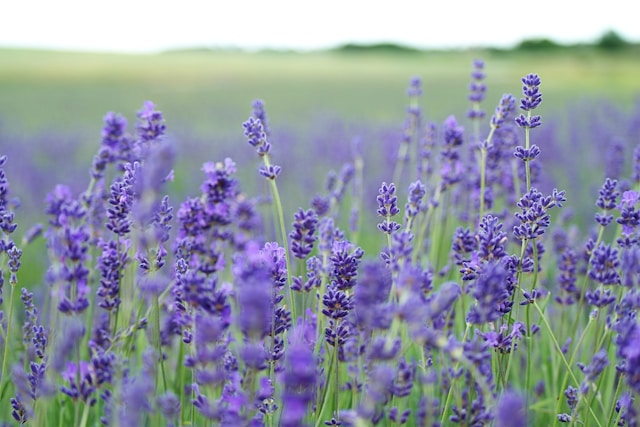
How often have you heard the phrase “stop and smell the roses”? The same idea can be applied to many plants, especially lavender. This charming herb invites people to slow down, appreciate nature, and enjoy its calming fragrance.
Lane · en

Curves in Architecture and Why They Make Us Happy
Waves gently reaching the coastline, vines stretching toward sunlight, softly undulating mountains, the fruits we enjoy, the warmth of a campfire, and the comforting embrace of a mother all share something in common: curves. For countless generations, people have naturally associated rounded forms with comfort, safety, and pleasure.
Lane · en
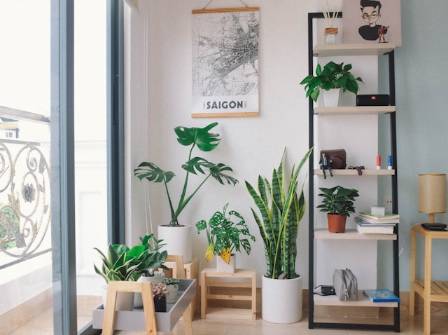
Easy Houseplants for Beginners
Houseplants have become extremely popular in recent years, with millennials—generally considered the generation born between the early 1980s and around 2000—accounting for roughly one-third of houseplant purchases. For many young adults, indoor plants are especially appealing because they do not require a garden or outdoor yard. They are generally simple to maintain and provide an easy way to bring a touch of nature indoors.
Lane · en
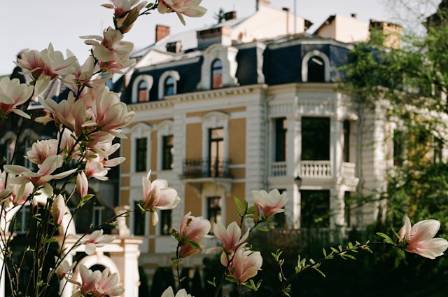
Distinctive Interior Styling Strategies for Luxury Villas
Refining the interior of a villa is a significant undertaking that goes far beyond mere decoration; it is about curating a grand environment that reflects the prestige and lifestyle of its inhabitants. Villas are synonymous with opulence and spaciousness, serving as private sanctuaries that offer mental clarity and a necessary reprieve from the relentless pace of urban life. Because these homes represent a substantial personal and financial investment, their interiors must be thoughtfully remodeled to showcase a unique personality. Leveraging professional design expertise is often essential to transform these expansive spaces into cohesive, personalized masterpieces that balance luxury with comfort.
Lane · en
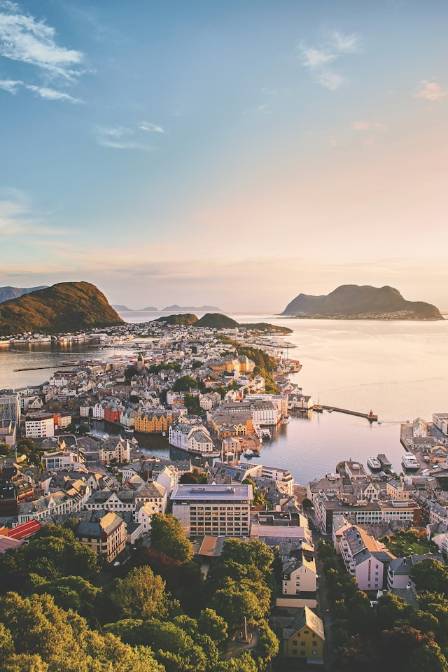
From Dramatic Fjords to Arctic Peaks: A Journey Through Norway's Most Breathtaking Landscapes
Norway stands globally recognized not only for its exceptional quality of life but also for possessing some of the most dramatic and pristine natural landscapes on Earth. From the deep, glacially carved fjords of the west coast to the remote, wind-swept archipelagos stretching far above the Arctic Circle, the country offers an unparalleled escape into the wild. This curated overview explores the majestic waterways, historic ports, architectural marvels, and exhilarating alpine trails that define the timeless allure of the Norwegian wilderness, providing a guide for those seeking both tranquil retreats and pulse-raising adventures.